
• Case ID: #06
  • Primary Personality Archetype: 🌱 The Steward (Rigidity Bias)
  • Systemic Risk: Testamentary Inconsistency (Informal Document Contagion)
  • Financial Impact: Total Dissolution of Family Business / $1.2M in Legal Fees.
  • Jurisdiction: Federal / National (Australian Succession Law)
  • Verification: Supreme Court Probate Audit / Registry Archive #06
Reading Time: 3 minutes

The Queen's Ink: The Sovereign Signature Trap

'She believed her signature was a final act of grace, but it was actually a catalyst for chaos.'

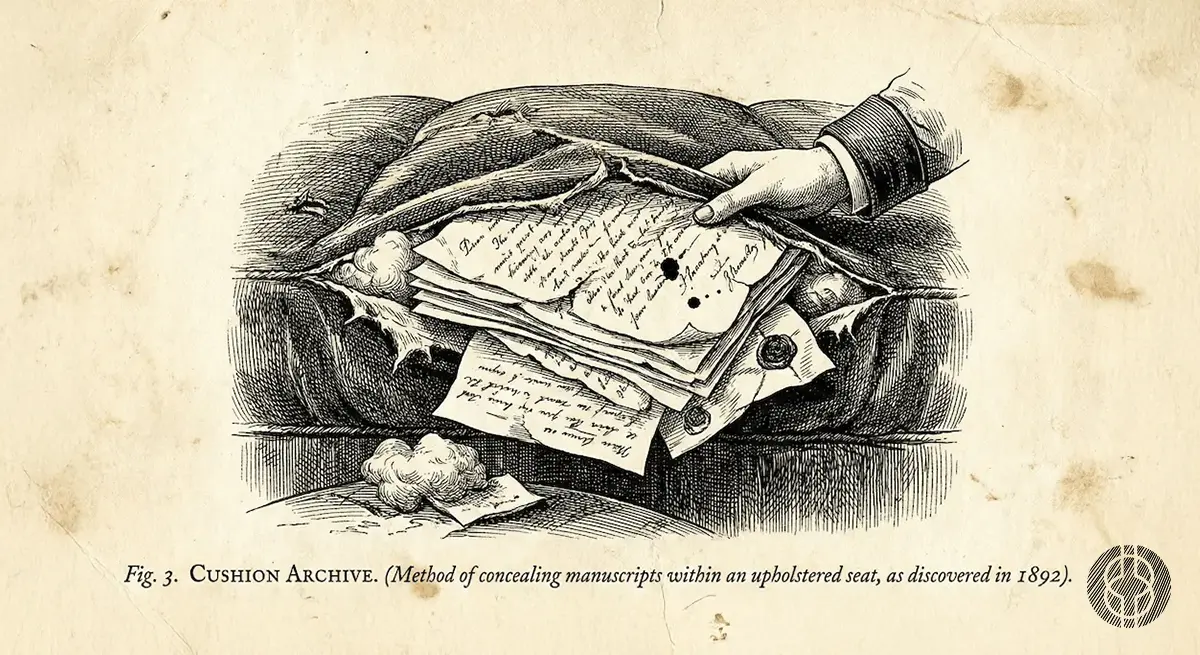
An matriarch of a significant family business in Melbourne spent her final years attempting to 'keep the peace' among four headstrong children. She was 'The Queen': the emotional and legal anchor of the lineage. Fearing that a formalised succession plan would cause immediate conflict, she chose to use 'The Queen's Ink' to sign a series of informal, conflicting promises in private letters to each child, promising them different 'crown jewels' of the estate to ensure their loyalty while she was alive.

The sting: Upon her passing, the children presented their 'private decrees', only to find they were legally irreconcilable and had no standing against the formal Will she had signed twenty years earlier. The 'peace' she tried to buy with her signature was replaced by a decade of Supreme Court litigation.

The family business was sold to pay the legal fees, and the four children, once united under her crown, became permanent strangers: divided by the very ink she used to try and save them.

  • Clinical Mystery: Can a private letter of intent override a formal statutory Will?
  • The Human Intent: To maintain family harmony and defer conflict by making private, informal promises to different children, assuming matriarchal authority overrode the need for formal legal updates.
  • The Diagnosis: The Possession Fallacy. The parents believed their “Ownership” (The Steward) of the physical signature overrode the “Registry” (The Law).

Case File: Forensic Analysis

🔬 REGISTRY FILE: CLINICAL PATHOLOGY

The Artifact: The Binding Death Benefit Nomination

The Intent: To rely on a Will to distribute all assets while assuming superannuation is a part of the 'estate' subject to those instructions

The Reality: 'Asset Diversion', where a forgotten or outdated nomination forces the legal transfer of wealth to an unintended recipient regardless of the Will's instructions

Pathology: This is a failure of the Steward Archetype where the brain's 'Estate Logic' assumes a unified pool of wealth: the individual fails to realise that superannuation is held in trust and sits outside the legal estate, requiring its own specific 'map' to reach the intended heirs

The Legal Reality:  Under the Superannuation Industry (Supervision) Act, a valid BDBN compels the trustee to pay the benefit to the named person: this document is not revoked by marriage, divorce, or a later Will, meaning an outdated nomination remains a 'ticking time bomb'

🟢 ARCHITECTURAL PROTOCOL: SYSTEMIC FIX

The Antidote: The Superannuation Alignment Protocol: move from 'Estate Assumptions' to 'Nomination Verification' by reviewing and updating all death benefit nominations every three years to ensure they match the current family reality

The Result: You transition from 'Structural Conflict' to 'Integrated Security': you ensure your largest asset is a bridge for your family instead of a gift for your past

The Sobering Script: 'I read about 'The Accidental Beneficiary'. A man's $800,000 super went to his ex-wife because he forgot to update a form from fifteen years ago, leaving his current family with nothing. I don't want a forgotten piece of paper to decide your future. Let's look at the 'Manual' and check our super nominations today so we know the money goes exactly where we want it to'


Sorry, this website uses features that your browser doesn’t support. Upgrade to a newer version of Firefox, Chrome, Safari, or Edge and you’ll be all set.

{ "@context": "https://schema.org", "@type": "BlogPosting", "mainEntityOfPage": { "@type": "WebPage", "@id": "https://sapience.com.au/resources/penny-dreadful-case-files/queens-ink-tragedy" }, "headline": "Case File 06: The Queen’s Ink Tragedy", "description": "The impact of formal legal documentation vs. informal intent in Australian estate administration.", "author": { "@type": "Person", "name": "Drew Browne", "url": "https://sapience.com.au/about/drew-browne" }, "publisher": { "@type": "Organization", "name": "Sapience Financial" }, "isPartOf": { "@type": "CreativeWorkSeries", "name": "Penny Dreadful Case Files", "url": "https://sapience.com.au/resources/penny-dreadful-case-files" }, "about": [ { "@type": "Thing", "name": "Estate Planning" }, { "@type": "Thing", "name": "Australian Law" } ], "inLanguage": "en-AU" }