
• Case ID: #35
  • Primary Personality Archetype: 🌱 The Steward (Rigidity Bias)
  • Systemic Risk: Structural Contagion (The Accidental Partnership)
  • Financial Impact: $1.2M Uncapped Personal Liability / Total Asset Exposure
  • Jurisdiction: Federal / National (Australian Partnership Law)
  • Verification: Partnership Litigation Audit / Registry Archive #35
Reading Time: 2 minutes

Case File #35: The Accidental Partnership

The Unlimited Liability

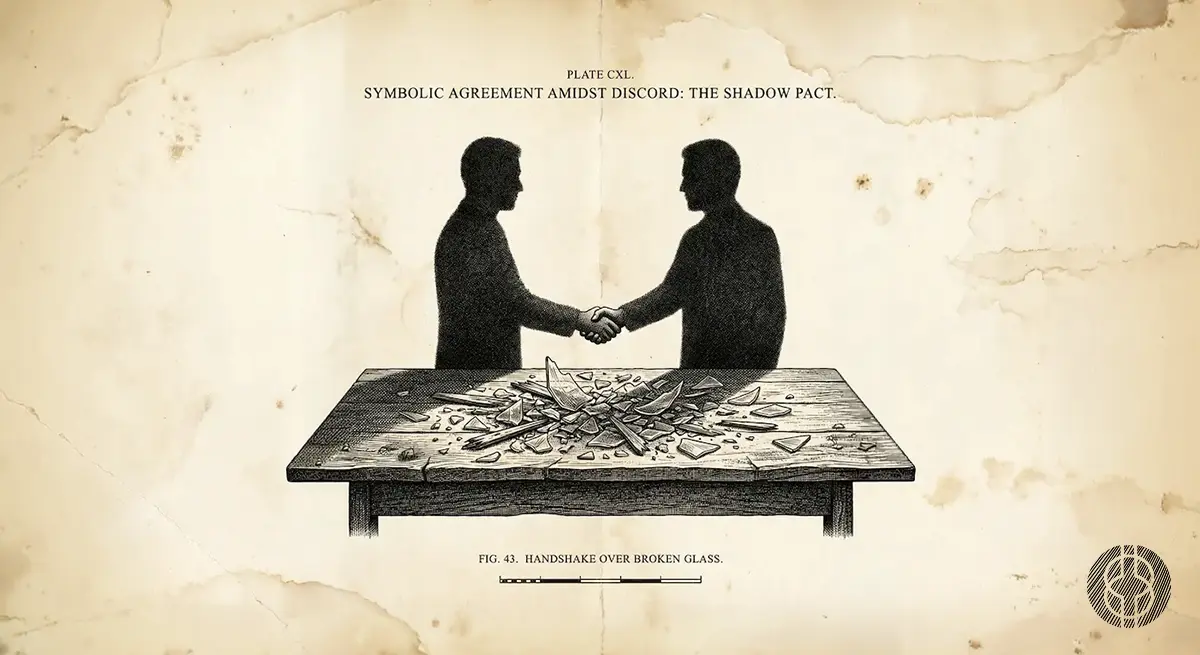
Greg and a mate decided to 'go halves' on a landscape supply business. They didn't want to waste money on a company structure, so they operated as a partnership. Greg was the 'silent' money man; his mate did the work.

When his mate accidentally ran a bobcat through a high-pressure gas main, the resulting fire destroyed three neighboring businesses. The damages totaled $1.2M. Because they were in a general partnership, Greg was 'jointly and severally' liable. The insurance didn't cover the specific negligence. Greg lost his family home and his retirement savings to pay for an accident he didn't even see happen—the cost of an 'informal' handshake.

  • Clinical Mystery: Why were two friends held liable for each other's $1M gambling debts?
  • The Human Intent: To 'share expenses' on a project without forming a formal company or trust structure.
  • The Diagnosis: The Partnership by Conduct: If you walk and talk like partners, the law will make you liable for each other's sins

Case File: Forensic Analysis

🔬 REGISTRY FILE: CLINICAL PATHOLOGY

The Artifact: The Ghost Shareholder

The Intent: To reward early support with equity while assuming that shares naturally lapse if the shareholder stops contributing to the business

The Reality: 'Equity Hostage', where a dormant minority shareholder uses their legal standing to block a major sale or demand an inflated payout

Pathology: This is a failure of the Steward Archetype where the brain's 'Relational Memory' overrides 'Statutory Reality': the individual treats the business as a personal story, failing to realise that a share is a permanent property right that remains valid regardless of relationship

The Legal Reality:  Under the Corporations Act, a share represents an ownership stake that does not expire: unless there is a signed 'Transfer Form' or a specific 'Shareholders Agreement' that forces the sale of shares upon leaving, the person on the registry remains a legal owner

🟢 ARCHITECTURAL PROTOCOL: SYSTEMIC FIX

The Antidote: The Equity Hygiene Protocol: move from 'Residual Holdings' to 'Clean Cap Tables' by ensuring all departing employees or founders sign formal share transfer documents at the time of their exit

The Result: You transition from 'Equity Vulnerability' to 'Transaction Readiness': you ensure your company's value belongs to the people who earned it

The Sobering Script: 'I read about 'The Ghost Shareholder'. A man had to pay $600,000 to a cousin he hadn't seen in thirty years just to sell his own business because he never cleaned up the share registry. I don't want any 'ghosts' in our family company. Let's look at the 'Manual' and make sure our share registry matches the reality of who is actually in the boat with us today'

Sorry, this website uses features that your browser doesn’t support. Upgrade to a newer version of Firefox, Chrome, Safari, or Edge and you’ll be all set.