
• Case ID: #24
  • Primary Personality Archetype: 🌱 The Steward (Rigidity Bias)
  • Systemic Risk: Hidden Encumbrance (The Ghost in the Deed)
  • Financial Impact: $500,000 Extortion Settlement / Total Sale Paralysis
  • Jurisdiction: Federal / National (Australian Property Law)
  • Verification: Land Titles Audit / Registry Archive #24
Reading Time: 3 minutes

Case File #24: The Ghost in the Deed

The Title Hostage

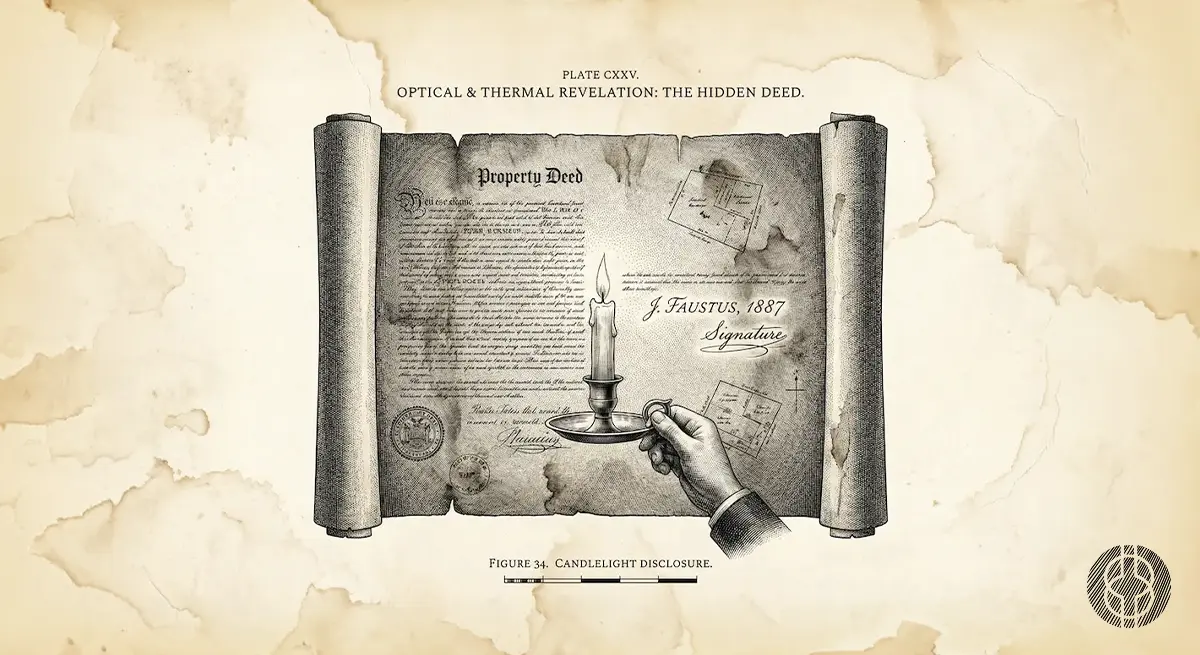
The Harrison family property was a prize. They had a developer ready to pay $8M, a deal that would secure the family for generations. But as the lawyers performed the final title search, a 'Ghost' appeared: an equitable interest caveat lodged in 1974 by a long-dead business partner of the grandfather.

The grandfather had made a 'handshake' deal that was never formally released. The partner’s grandson, a man the Harrisons had never met, realized he held the 'Golden Key.' He refused to remove the caveat unless he was paid $500,000 of the sale proceeds. The developer gave the Harrisons forty-eight hours before they walked. With no time to litigate, the family was held hostage. They paid the 'Ghost' half a million dollars to go away - a ransom for a fifty-year-old mistake.

  • Clinical Mystery: Why did a 20-year-old property transfer suddenly 'reverse' itself?
  • The Human Intent: To avoid stamp duty by delaying the registration of a deed until 'actually needed'
  • The Diagnosis: The Registration Gap: An unrecorded deed is a 'ghost' that can be exorcised by a more recent, registered claim

Case File: Forensic Analysis

🔬 REGISTRY FILE: CLINICAL PATHOLOGY

The Artifact: The Director Loan Account

The Intent: To maintain maximum personal liquidity by treating corporate cash as a flexible, non-repayable personal loan

The Reality: 'The Liquidity Reversal', where internal company debts become legally enforceable obligations that the estate must repay after the director's

Pathology: This is a failure of the Steward Archetype where the brain's 'Operational Flexibility' centre overrides 'Structural Discipline': the individual treats the company as a 'personal bank', failing to realise that every dollar taken creates a legal debt that does not disappear at death

The Legal Reality:  Under the Corporations Act and Division 7A of the Income Tax Assessment Act, loans from a company to a shareholder must be documented with a written agreement, a benchmark interest rate, and a maximum seven year term: if these are missing, the ATO can tax the full amount as a dividend, and executors are legally bound to recover the debt from the estate

🟢 ARCHITECTURAL PROTOCOL: SYSTEMIC FIX

The Antidote: The Debt Formalisation Protocol: move from 'Informal Ledgers' to 'Compliant Loan Agreements' by ensuring all director loans are covered by Division 7A agreements and are progressively repaid or offset by franked dividends while the director is alive

The Result: You transition from 'Hidden Liability' to 'Documented Clarity': you ensure your company's success provides for your family instead of becoming their biggest creditor

The Sobering Script: 'I read about 'The Loan Account'. A man used his company like a personal ATM for years, but when he died, the company was forced to sue his family for $3.2M to get the money back. I don't want you to inherit a lawsuit. Let's look at the 'Manual' and make sure our internal loans are formalised and managed properly so the company and the family stay on their own sides of the fence'

Sorry, this website uses features that your browser doesn’t support. Upgrade to a newer version of Firefox, Chrome, Safari, or Edge and you’ll be all set.